Building Bridges: The Role of Dialogue in Society
Building Bridges Through Everyday Dialogue
Have you ever changed your mind about someone after actually sitting down and talking with them? Most of us have. A conversation, even a short one, has a way of turning a stranger into a neighbour and an assumption into a question. In a province as diverse as Quebec, where people from many backgrounds, faiths, and histories share the same streets, schools, and workplaces, that simple act of talking to one another may be one of the most powerful tools we have for building a more connected society.
This is the idea behind dialogue as a form of bridge-building: not grand gestures, but everyday conversations that create understanding where there was once distance.
What Do We Mean by Dialogue?
Dialogue is different from debate. Debate is about winning a point. Dialogue is about understanding a person. It means listening with the intention of learning rather than replying, asking questions instead of making assumptions, and staying curious even when a topic feels unfamiliar or uncomfortable.
This distinction matters because so much of the tension between communities does not come from real conflict, but from a lack of contact. People form opinions about groups they have never actually spoken with. Dialogue interrupts that pattern. It replaces the idea of "them" with the reality of a person, a name, a story.
What Bridge-Building Looks Like in Real Life
Dialogue is not abstract. It shows up in small, concrete moments:
- A teacher who invites students to share a tradition from home instead of glossing over differences.
- A coworker who asks a genuine question about a colleague's holiday instead of avoiding the topic altogether.
- A neighbour who strikes up a conversation at a community event rather than staying within a familiar circle.
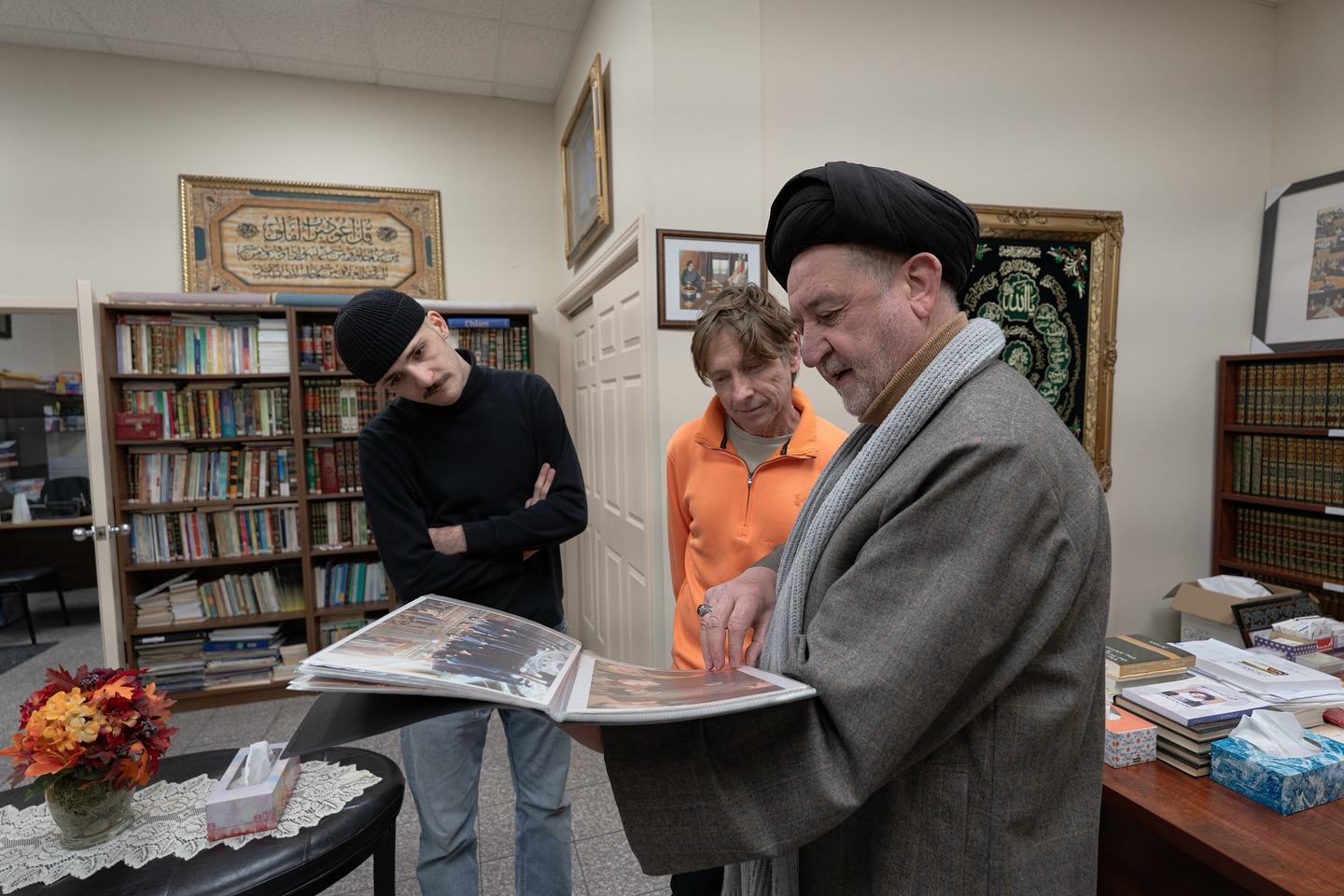
These moments add up. SSM-MAW has seen this firsthand through community initiatives like the Ramadan Fair Expo, themed around "Building Bridges with Communities." Events like this are designed around a simple premise: when people from different backgrounds share a table, a meal, or a conversation, understanding grows in a way that no pamphlet or policy statement can achieve on its own. It is not about erasing differences, but about creating enough familiarity that differences stop feeling like barriers.
Why Dialogue Matters Beyond the Individual Level
When dialogue happens consistently, at a community and institutional level, its effects go beyond any single conversation. Schools that build in opportunities for students to learn about each other's backgrounds tend to see less bullying and exclusion. Workplaces that encourage open, respectful conversation about identity and belief tend to retain and support a wider range of employees. Neighbourhoods where people know each other, even a little, tend to respond to conflict with curiosity rather than suspicion.
This is the broader, systemic value of dialogue: it builds the kind of social trust that allows a diverse society to function well, not despite its diversity, but because of the connections diversity makes possible when people actually engage with one another.
The Quebec Context
Quebec's story is one of many communities living side by side, shaped by its own history, language, and identity, and increasingly by newer generations of Quebecers from Muslim, immigrant, and other minority backgrounds. Public conversations here about religion, secularism, and belonging can be sensitive, and disagreements are real. But disagreement does not have to mean disconnection.
What Quebec needs is not the absence of difficult conversations, but more spaces where they can happen constructively. Interfaith gatherings, community expos, school programs, and neighbourhood events all serve this purpose. They give people a low-stakes way to ask the questions they might otherwise never ask, and to be heard in return. This is precisely the kind of civic dialogue that organizations across Quebec, including SSM-MAW, work to encourage year-round.
What We Can Do
Building bridges through dialogue does not require a formal title or a big platform. It starts with small, intentional choices:
- Ask, rather than assume. If you are curious about someone's background, belief, or tradition, a respectful question usually goes further than a guess.
- Make space for someone else's story. Listening fully, without immediately relating it back to your own experience, is a quiet but powerful form of respect.
- Show up. Attending a community event, an interfaith gathering, or a cultural celebration outside your usual circle is one of the simplest ways to put dialogue into practice.
- Stay in the conversation, even when it's uncomfortable. Some of the most meaningful understanding comes from conversations that start a little awkwardly.
None of these require expertise. They only require a willingness to engage.
Bridges Are Built One Conversation at a Time
Bridges are not built all at once. They are built conversation by conversation, event by event, and relationship by relationship. In a society as varied as Quebec's, dialogue is not simply a nice idea; it is a practical tool for helping people feel seen, understood, and connected to one another, even across real differences.
The next time you have the chance to ask a genuine question, share a meal with someone from a different background, or simply listen a little longer than usual, consider it an act of bridge-building. Multiplied across a community, these small acts are what social cohesion is actually made of.
If you'd like to see this kind of dialogue in action, we invite you to learn more about SSM-MAW's community events and initiatives, and to join us in building bridges across Quebec, one conversation at a time.
Our Community of Partners









Stories and Perspectives from Our Community
Discover in‑depth features and creative pieces that highlight diversity, foster understanding and share meaningful insights across communities.
Learn and Discover
Find answers to common questions about our events, how to support us, and the broader context of Muslims in Quebec.
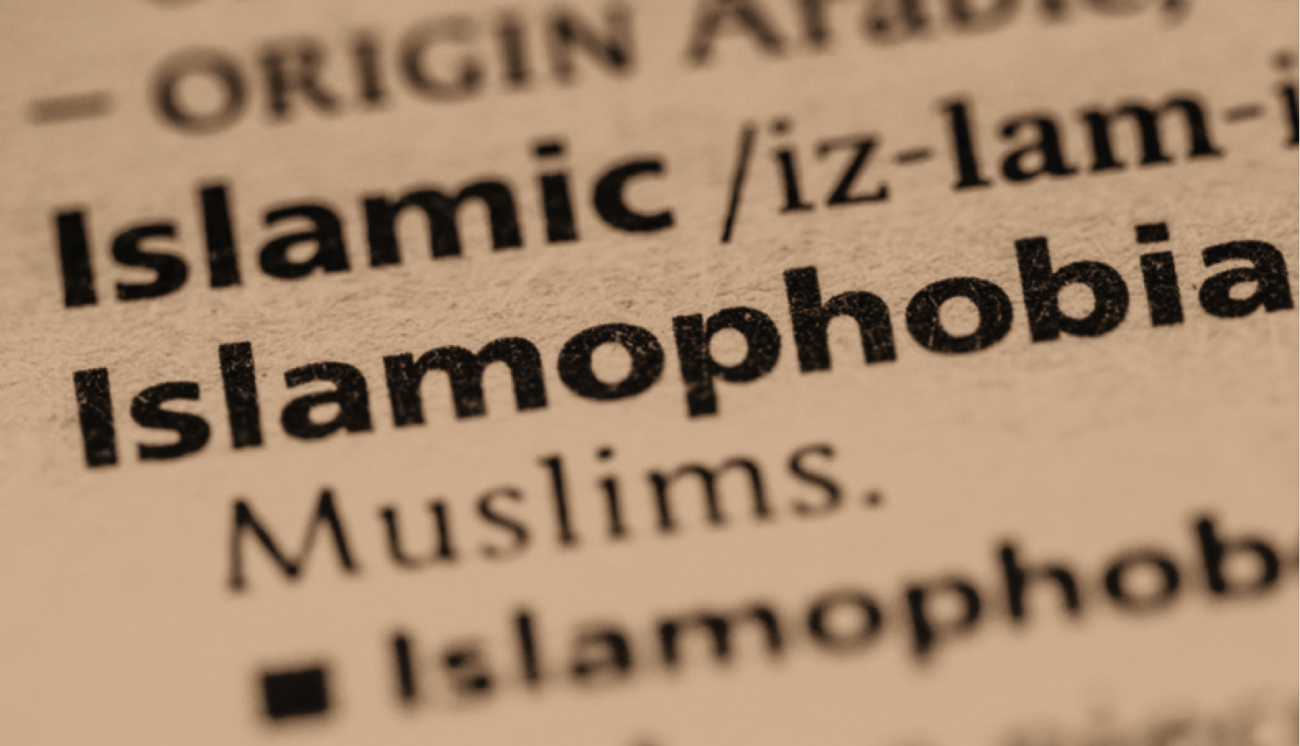
Raising awareness about Islamophobia helps recognize and combat prejudice and discrimination against people of Muslim faith. By encouraging dialogue and understanding, MAW contributes to a more just and inclusive society where everyone can live and practice their faith safely.
MAW activities are open to everyone—youth and adults, people of any faith or none at all, newcomers and long‑time residents. The spirit of the week is inclusive, and anyone curious about Muslim diversity in Quebec is welcome.
Muslim Awareness Week (MAW) is an annual week of solidarity and exchange where people of all ages, backgrounds and beliefs are invited to learn more about the achievements, contributions, aspirations and concerns of Quebecers of Muslim faith. It’s an opportunity to build bridges and celebrate the richness of Quebec’s diversity.
No, MAW is not a religious event. It is a cultural and civic week that promotes mutual understanding and connection among Quebecers of all backgrounds. Activities focus on culture, volunteering, education and civic engagement rather than worship.
The main goal of MAW is to bring Quebecers of all backgrounds closer together. The week encourages mutual understanding and combats prejudice through dialogue, cultural activities and awareness initiatives.
A living library is an activity where people become ‘books’ to share their stories with visitors. During MAW, Quebecers of Muslim faith discuss their experiences and answer questions to foster understanding and dismantle stereotypes.
MAW includes vigils and commemorative talks in memory of the victims of the Quebec City mosque attack. These moments of reflection and dialogue highlight the importance of fighting hatred and promoting inclusion.
The blood drive is a solidarity initiative that shows the commitment of Muslim communities to the wellbeing of all. Organized in partnership with Héma Québec, this activity saves lives and raises awareness about the importance of donating blood.
The program includes fairs and exhibitions, interfaith round tables, living libraries, conferences, film screenings, art exhibitions, blood drives and commemorative events. These events aim to stimulate dialogue and showcase the talent and initiatives of Muslim communities.
In addition to attending activities, you can support MAW by volunteering, sharing information with others, establishing partnerships or making a donation if fundraising campaigns are active. The team welcomes ideas and collaborations; feel free to reach out through the site.
You can offer your help by contacting the organizing team through the contact form on the site. Share your availability and areas of interest, and the team will let you know about specific needs. Volunteers are essential for greeting guests, supporting events and promoting the week.