What Is Islamophobia? Understanding Its Impact in Quebec
Understanding Islamophobia in Quebec
What does Islamophobia look like in Quebec today, and why does it matter?
In recent years, conversations around diversity, inclusion, and identity have become more visible across Quebec. Within these discussions, the term Islamophobia is often used, but not always clearly understood. For some, it may seem like an abstract concept. For others, it reflects lived experiences.
Taking the time to understand what Islamophobia means, and how it affects individuals and communities, is an important step toward building a more informed and inclusive society.
What Is Islamophobia?
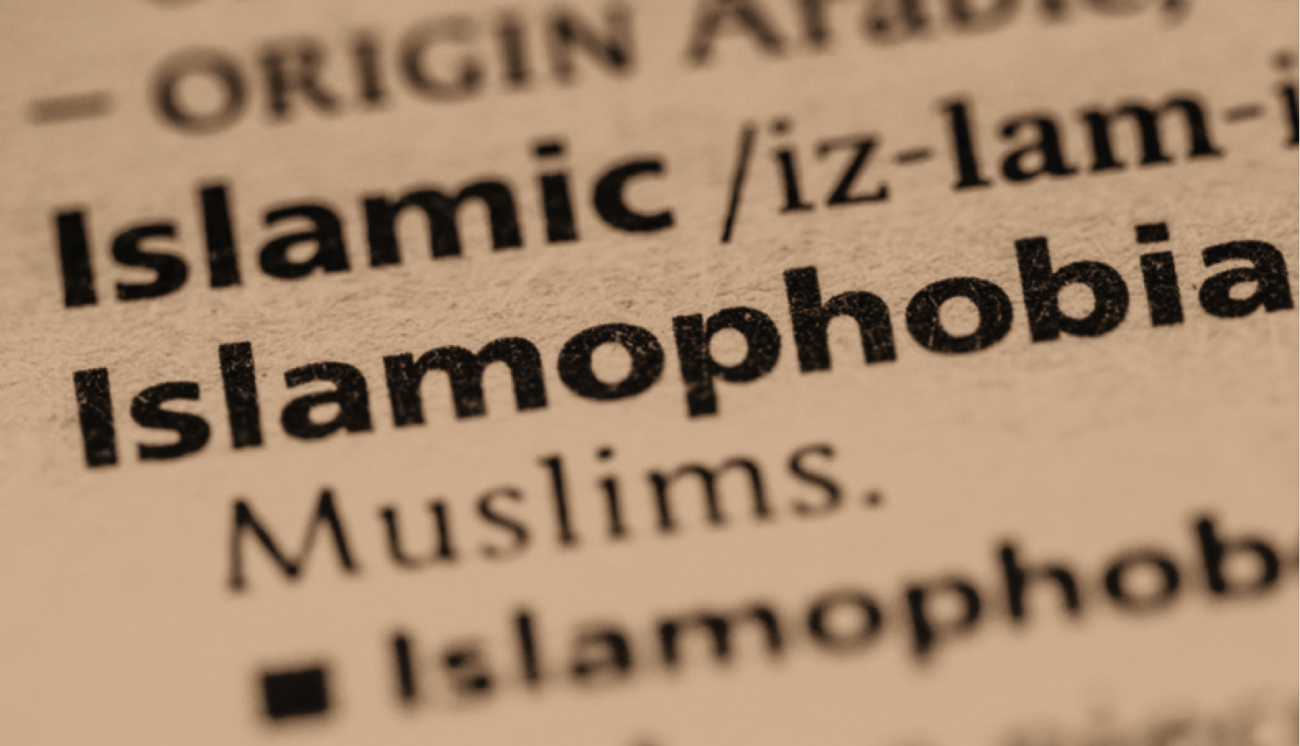
Islamophobia is generally understood as fear, prejudice, or hostility toward Islam or people who are, or are perceived to be, Muslim. (Canada)
It is not limited to one form. It can exist along a spectrum, ranging from subtle bias to more visible acts of discrimination.
This can include:
- Assumptions or stereotypes about beliefs and identity
- Social exclusion or unequal treatment
- Discrimination in workplaces or institutions
- Verbal harassment or hate speech
- In more serious cases, acts of violence
In Canada, Islamophobia is also recognized as something that can operate beyond individual interactions, shaping broader systems, policies, and public discourse. (Canada)
What Does Islamophobia Look Like in Everyday Life?
Islamophobia is not always obvious. In many cases, it appears in everyday situations that can easily go unnoticed.
A student may feel singled out during a classroom discussion.
A job applicant may sense hesitation that is difficult to explain.
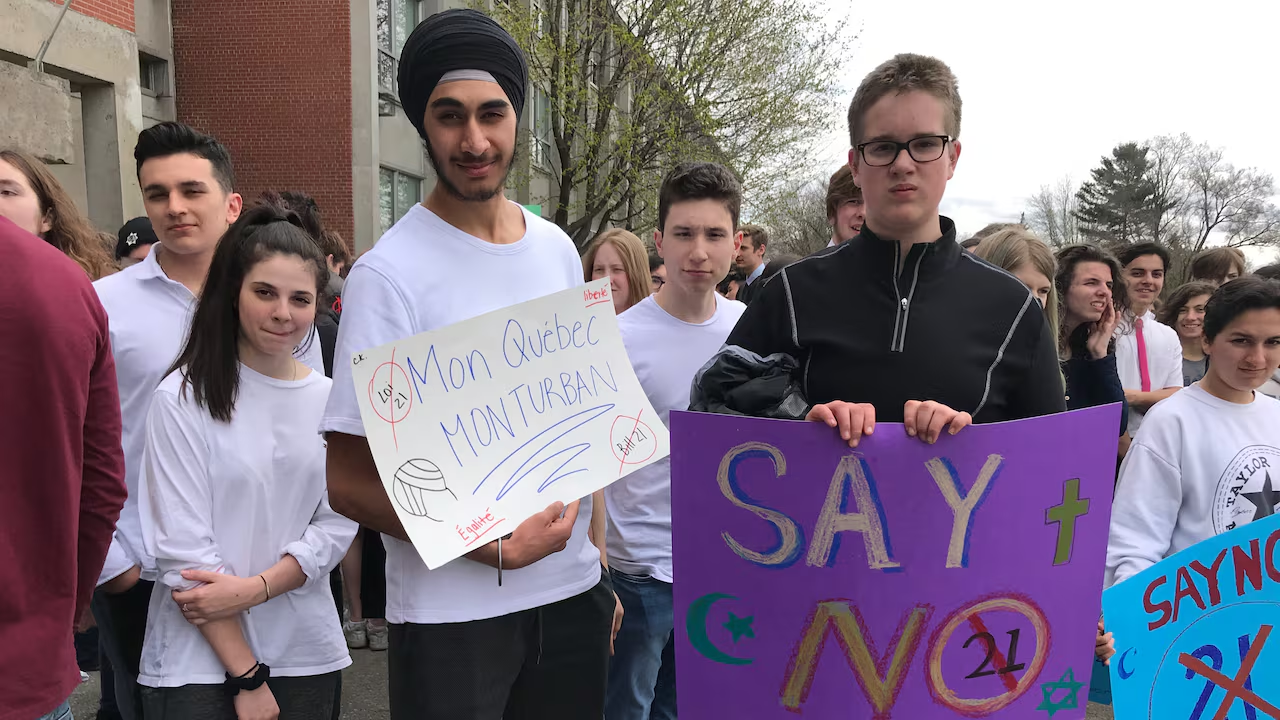
Someone wearing visible religious symbols may receive unwanted attention in public spaces.
These experiences may seem minor in isolation, but over time, they can affect a person’s sense of belonging and participation in society.
Beyond Individual Experiences: Systemic and Social Dimensions
Islamophobia is not only about individual attitudes. It can also be reflected in broader systems.
This may include:
- Barriers in hiring or career advancement
- Unequal access to opportunities or services
- Narratives that reinforce certain stereotypes
Public discussions and Canadian data have highlighted that discrimination can exist at multiple levels, including institutional and systemic contexts. (Canada)
Understanding this broader dimension is important, as it helps move the conversation beyond isolated incidents toward a more complete picture.
When It Escalates: Hate and Violence
While many forms of Islamophobia are subtle, some are more visible and severe.
Across Canada, hate crimes targeting religious communities have increased in recent years, with Muslim communities among those affected. (Wikipedia)
These incidents are not only statistics. They reflect real experiences that impact individuals, families, and communities, and they highlight the importance of addressing the issue with care and responsibility.
Why This Conversation Matters in Quebec
Quebec has a unique social context shaped by its history, language, and ongoing conversations about identity and secularism.
In this environment, misunderstandings about Islam or Muslim communities can sometimes:
- Reinforce stereotypes
- Create distance between communities
- Limit opportunities for meaningful interaction
At the same time, Quebec is also home to many initiatives that aim to bring people together and encourage dialogue.
The question is not whether diversity exists, but how we choose to engage with it.
The Role of Education and Dialogue
Addressing Islamophobia is not only about identifying challenges. It is also about creating opportunities for understanding.
Education
Access to clear and accurate information helps:
- Challenge misconceptions
- Reduce fear of the unknown
- Encourage critical thinking
Dialogue
Creating spaces for conversation allows people to:
- Ask questions respectfully
- Share lived experiences
- Listen and learn from one another
These exchanges play an important role in building trust and strengthening social cohesion.
Moving Toward a More Inclusive Quebec
Building a more inclusive society is a gradual process. It takes consistent effort at both individual and collective levels.
It involves:
- Approaching differences with curiosity rather than assumption
- Recognizing the value of diverse perspectives
- Creating environments where people feel respected and included
Discrimination and intolerance do not only affect those directly targeted. They also shape the overall health of a society.
Continuing the Conversation
Understanding Islamophobia is not about assigning blame. It is about gaining clarity and awareness.
When people take the time to learn, reflect, and engage with one another, it becomes possible to build stronger, more connected communities.
A more inclusive Quebec is one where dialogue is encouraged, differences are understood, and every individual feels they belong.
Our Community of Partners







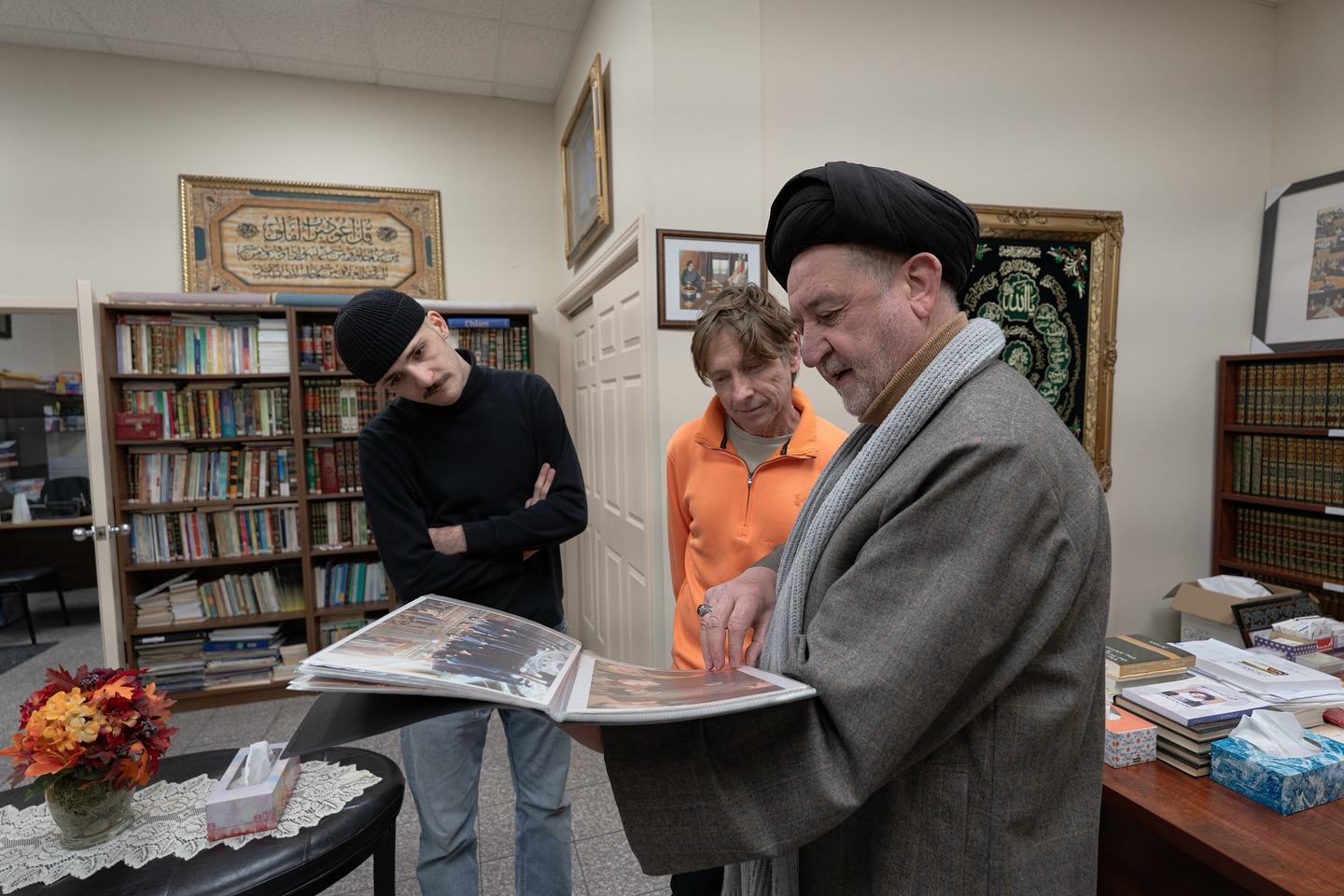
Stories and Perspectives from Our Community
Discover in‑depth features and creative pieces that highlight diversity, foster understanding and share meaningful insights across communities.
Learn and Discover
Find answers to common questions about our events, how to support us, and the broader context of Muslims in Quebec.
Raising awareness about Islamophobia helps recognize and combat prejudice and discrimination against people of Muslim faith. By encouraging dialogue and understanding, MAW contributes to a more just and inclusive society where everyone can live and practice their faith safely.
MAW activities are open to everyone—youth and adults, people of any faith or none at all, newcomers and long‑time residents. The spirit of the week is inclusive, and anyone curious about Muslim diversity in Quebec is welcome.
Muslim Awareness Week (MAW) is an annual week of solidarity and exchange where people of all ages, backgrounds and beliefs are invited to learn more about the achievements, contributions, aspirations and concerns of Quebecers of Muslim faith. It’s an opportunity to build bridges and celebrate the richness of Quebec’s diversity.
No, MAW is not a religious event. It is a cultural and civic week that promotes mutual understanding and connection among Quebecers of all backgrounds. Activities focus on culture, volunteering, education and civic engagement rather than worship.
The main goal of MAW is to bring Quebecers of all backgrounds closer together. The week encourages mutual understanding and combats prejudice through dialogue, cultural activities and awareness initiatives.
A living library is an activity where people become ‘books’ to share their stories with visitors. During MAW, Quebecers of Muslim faith discuss their experiences and answer questions to foster understanding and dismantle stereotypes.
MAW includes vigils and commemorative talks in memory of the victims of the Quebec City mosque attack. These moments of reflection and dialogue highlight the importance of fighting hatred and promoting inclusion.
The blood drive is a solidarity initiative that shows the commitment of Muslim communities to the wellbeing of all. Organized in partnership with Héma Québec, this activity saves lives and raises awareness about the importance of donating blood.
The program includes fairs and exhibitions, interfaith round tables, living libraries, conferences, film screenings, art exhibitions, blood drives and commemorative events. These events aim to stimulate dialogue and showcase the talent and initiatives of Muslim communities.
In addition to attending activities, you can support MAW by volunteering, sharing information with others, establishing partnerships or making a donation if fundraising campaigns are active. The team welcomes ideas and collaborations; feel free to reach out through the site.
You can offer your help by contacting the organizing team through the contact form on the site. Share your availability and areas of interest, and the team will let you know about specific needs. Volunteers are essential for greeting guests, supporting events and promoting the week.